Православни календар.

недеља, 24. новембар 2013.

Dr. Kirk Ford, Jr.: On the issue of “Collaboration with the Germans”

Professor Kirk Ford, Jr. General Mihailovich 100th Birthday Celebration Chicago, IL U.S.A. April 23, 1993 Rebic Collection.
Professor Kirk Ford, Jr.
General Mihailovich 100th Birthday Celebration
Chicago, IL U.S.A. April 23, 1993
Rebic Collection.
THE MYTH OF MIHAILOVICH “THE COLLABORATOR” – Justifying the Abandonment of a Loyal Ally
Aleksandra’s Note:
Dr. Kirk Ford, Jr. is the Chairman of the Department of History and Political Science at Mississippi College in Clinton, Mississippi. He is the author of the book OSS and the Yugoslav Resistance 1943-1945, published by Texas A&M University Press, 1992.
This book is an extensively researched, in-depth, objective, and truthful analysis of OSS activity attached to both the Mihailovich Chetnik forces [Nationalists/Royalists] and the Partisan forces [Yugoslav communists] under Marshal Tito. I highly recommend it for any honest pursuit of research interests in the area of World War Two Yugoslavia and the role played by America in relation to the Yugoslav resistance movement against the Axis forces.
Dr. Kirk Ford , Jr. was one of the special guest speakers at the General Draza Mihailovich 100th Birthday Celebration at the Congress Hotel in Chicago, IL on April 23, 1993. The following are excerpts from the excellent and illuminating speech given by Professor Ford regarding the issues of Tito’s Yugoslav Partisan’s and Mihailovich’s Chetnik’s relations with the Allies, with the Nazis, and Mihailovich and his alleged
“collaboration with the Germans”.
Sincerely,
Aleksandra Rebic
OSS and the Yugoslav Resistance 1943-1945
Dr. Kirk Ford, Jr.: On the issue of ”Collaboration with the Germans”

“…Wasn’t it in the Spring of 1943 (March to be exact) that [Tito] Partisan representatives met with the Germans and confirmed that the Chetniks were their main enemy—that they would be willing to forego operations against the Germans in order to fight the Nationalists, and would, if necessary, even oppose Allied landings in Yugoslavia? It was also in March, 1943, that Gen. Rudolf Luters, a German field commander in Yugoslavia, stated:
‘The Chetniks were never our friends…their aim is and remains our destruction.’
…Critics of the Nationalist movement claim that for months General Mihailovich encouraged a live-and-let-live arrangement with the Germans in order to fight the Partisans. Nationalist claims that the Partisans were later doing the same thing were largely dismissed. According to Colonel Robert McDowell:
‘The Partisan Army made no serious effort to fight Germans or hinder their retreat, but concentrated on attacking Nationalist troops who, in some instances, were occupied in attacking Germans.’
Once again, reports from OSS officers with the Partisans confirm the intelligence from Nationalist [Mihailovich] sources:
Don Rider [ASH] in Vojvodina [autonomous province of Serbia, located in the northern part of the country]accompanied Partisan columns which on several occasions passed within one hundred yards of German bunkers with neither side firing a shot.
Major Scott Dickinson [SPIKE] (Macedonia):
‘From the extent of the German movements it was clear that the Partisans were permitting the Germans to get out and were occupying towns and villages as soon after the Germans left as possible.’
Rex Deane [REDWOOD] (Montenegro):
‘The Partisans seemed content to keep out of the Germans’ way and let them get out of the country. No concerted effort was made to stop them or ambush them in any way.’
In Deane’s opinion the [Tito] Partisans were far more interested in attacking the Chetniks and their supporters than in fighting the Germans. One British commander in the Dubrovnik area because so frustrated with the Partisans that he charged ‘they all should be court-martialed for letting the Germans escape.’
These examples, and others could be cited, confirm precisely the intelligence contained in the reports of McDowell, Ellsworth Kramer, and John Milodragovich—all members of the RANGER Mission with Mihailovich.
Not only were the Partisans allowing the Germans to get out of the country, they were using the bulk of supplies being sent to them by the Allies to fight the Nationalists (Chetniks). In fact, they were receiving so much in the way of supplies that they were actually having to store the excess. This fact is confirmed in the reports of Dan Desich, Stephen Galembush, Holt Green, and Rex Deane—all of whom were attached to Partisan units. So much for the Partisan effort to present themselves as the victims of some treacherous collaboration between the [Mihailovich] Nationalists and the Germans.
Walter Mansfield addressed the collaboration issue very succinctly when he argued that if both major resistance movements were judged by the same standards, one would have to conclude that both movements collaborated, or that neither did so.
…The effort to label General Mihailovich as a collaborator will fail, I would say has failed, because the evidence does not sustain that conclusion. General Mihailovich chose to resist the Germans and Italians at a time when there was absolutely no help available to him from any source. Throughout the war he and his men endured an existence which defies imagination. Walter Mansfield reported that Mihailovich’s forces ‘live under conditions which I would have considered it impossible for them to stand if I had not seen it with my own eyes.’ During one battle, Mansfield saw men with chest and stomach wounds, who when they were unable to find medical attention in the rear lines, simply returned to the front and continued to fight until they died. The wretched condition of Mihailovich’s units led David Martin to write that ‘surely no group of men “collaborated” with the Germans for so poor a return.’
If Draza Mihailovich had been a collaborator, hundreds of American airmen, some of whom may be in the audience this evening, would never again have set foot on American soil. Nationalist troops put their lives on the line and, in some cases, lost their lives saving American airmen from capture. They later gave what little they had in the way of medical supplies to treat those airmen who were wounded or sick. And with hardly any equipment at all, they provided protection for the airmen who were evacuated at Pranjani. Listen to what Colonel Robert McDowell wrote when he saw the condition of the [Mihailovich] Nationalist troops guarding the airstrip:
‘To complete our shame, although the American
medical personnel were appalled at the almost
complete lack of medical supplies and equipment
available to the Nationalists, with major operations
performed without anesthetics, and although the
Nationalists gave the Americans the best of what
we had, the only gesture of gratitude on our part
was to replace supplies expended upon the airmen
at the actual point of embarkation.’
I would note parenthetically that the supplies which were finally sent were sent largely because of the insistence of [American OSS officers] George Musulin, Nick Lalich, and George Vujnovich—operations officer in Bari, Italy.
Then, to make matters worse, McDowell reported that night after night he and members of his team sat around their campfires and heard Allied planes flying overhead to drop supplies to the [Tito]Partisans—supplies they knew would be used against the [Mihailovich] Nationalists. Walter Carpenter, a 15th Air Force [U.S.] medical officer sent to Mihailovich’s headquarters to tend the needs of American airmen confirmed this when he later reported:
‘Here we see American weapons and bullets being
furnished daily [to the Partisans] by the British to kill the enemies of Germany.’
History has a way of being charitable to winners, particularly when the winners write it. For almost three decades after the Second World War, the history of Allied policy toward Yugoslavia was written by many of the same individuals who shaped policy there in the first place. In short, they were evaluating their own handiwork—a sort of ex-post-facto justification for wartime decisions. In the absence of documentary evidence to the contrary these firsthand accounts were generally accepted as the truth of what had occurred in Yugoslavia. David Martin’s Ally Betrayed was a notable exception, as was Col. Albert Seitz’s Mihailovich: Hoax or Hero. Today, greater revelations from the historical record require that substantial revisions must be made in any credible examination of Yugoslav resistance history and of Allied policy toward the resistance.
Tito was no liberator, nor was Mihailovich a collaborator. The major Allies, particularly Britain, supported Tito and abandoned Mihailovich because they thought it was in their interests to do so. It was the expedient thing to do. Not wishing to justify their policy on the grounds of expediency, however, they sought to discredit Mihailovich by suggesting that he was not fighting the Axis occupation forces or was collaborating with them. After all, it was much easier to defend the abandonment of a “collaborator” than to defend the abandonment of a loyal ally.”

Kirk Ford, Jr.
Chicago, IL

четвртак, 7. новембар 2013.

Оригинална Дражина теорија


Оригинална Дражина теорија


ГЕНЕРАЛ ДРАЖА МИХАИЛОВИЋ
Draza, slika iz dosijea
ОРИГИНАЛНА ДРАЖИНА ТЕОРИЈА
ПИШЕ: Милослав САМАРЏИЋ
Четврта деценија XX века доносила је многе новине у војној теорији и пракси. У Француској се развила полемика око тзв. Мажино линије, велике фортификације према Хитлеровој Немачкој. Генерал Де Гол је тврдио да непријатељ та огромна утврђења једноставно може да заобиђе. И Дража је заступао такво мишљење, нарочито откако су генерали Недић и Рупник отпочели са градњом сталних фортификација према Аустрији и Италији. Он је саветовао другачију тактику, са четничким начином ратовања у основи. Предлагао је специјалну обуку трупа и изградњу војних складишта у планинама.
Маја 1937. године пуковник Дража Михаиловић постављен је за начелника Штаба Дравске дивизијске области у Љубљани. Његово радно место налазило се у касарни „Војвода Мишић“. Ту је, 1. децембра 1937, на груди прикачио још једно одличје: Орден југословенске круне III реда. Априла следеће, 1938. године, Дража прелази за команданта 39. пешадијског пука у Цељу, који је припадао истој дивизионој области. По тадашњим прописима, командовање пуком било је неизоставна степеница на путу ка генералском чину.
После тачно годину дана, априла 1939. године, Дража се враћа у Љубљану, овога пута за начелника Штаба утврђивања. Ту остаје свега неколико месеци, до августа, када је постављен за сталног наставника Војне академије у Београду.
Око повратка пуковника Драже Михаиловића из Љубљане у Београд дигла се велика прашина. Када се та прашина слегла, нашег јунака видимо у још једном, 30-дневном притвору, по наређењу министра војске и морнарице, генерала Милана Недића. Дражина кривица састојала се, по мишљењу генерала Недића, у навођењу војних власти на погрешна решења.
О овом случају у литератури има више верзија, које се углавном могу свести на следеће. У време Дражиног службовања у Словенији, Немачка је анектирала Аустрију (13. марта 1938). Тако је Дража из непосредне близине могао да види велику опасност која се надвила над југословенску Краљевину, тим пре јер је имао и једну посебну дужност: организовање илегалних канала за пребацивање обавештајаца преко границе Трећег рајха.
Дража је самоиницијативно почео да се супротставља акцијама немачке мањине у Словенији, која је јавно славила Хитлеров рођендан, као и деловању словеначких клерикалаца. С друге стране, од Главног ђенералштаба у Београду он је тражио предузимање енергичних мера. Како усмене интервенције нису помогле, на крају је написао један реферат генералу Недићу. Садржај тог реферата објављује једино Милош Аћин Коста.35 Др Милан Гавриловић, председник Српске земљорадничке странке, после рата је описао један разговор са Дражом из овог доба. Дражина размишљања, цитирана у Гавриловићевим мемоарима, једнака су онима из реферата генералу Недићу, који доноси Аћин Коста.
У уводу свог чувеног реферата Дража се бави општом војном ситуацијом у свету. Затим прелази на видан утицај Мусолинијеве Италије и Хитлерове Немачке у Словенији и Хрватској, преко пете колоне, а посебно усташа. Јаки непријатељи на границама и бројна пета колона унутар граница захтевали су федералистичко, а не централистичко организовање одбране. Конкретно, пуковник Михаиловић је тражио увођење територијалне војне обавезе за Србе, Хрвате и Словенце, тако што ће свако најпре организовати одбрану сопствене територије.
После овог уследила је анализа савремених војних доктрина, Хитлеровог муњевитог рата и Де Голове мотомеханизоване војске. Овим доктринама, као Југославији најпримеренију, супротставио је сопствену доктрину четничког (герилског) ратовања. Изградња великих фортификација према Италији и Аустрији (тзв. Недићева и Рупникова линија) по Дражином мишљењу није ништа друго до бескорисно трошење новца. Уместо тога, после територијалног организовања војске треба хитно прећи на четничку обуку и изградњу планинских складишта лаког оружја, муниције, опреме, пољских болница и конзервиране хране.
Четничком начину ратовања Дража је сем тактичке улоге, која је постојала и у претходним ратовима, сада дао и стратегијску улогу. Њу је видео у следеће три фазе. У првој фази рата четничка герила само доставља обавештајне податке Врховној команди југословенске војске и надлежним савезничким штабовима. У другој фази почињу четничке оружане акције против непријатеља, а трећа фаза, свеопшти напад, наступа када савезничке трупе избију на границу Југославије.
У посебном поглављу реферата Дража се бавио неопходним техничким мерама, као што је образовање мреже радио станица и обезбеђење довољног броја акумулатора. Сматрао је да је најпогоднија формација за четничке јединице брзопокретни батаљон, па је чак навео и прописе за његову обуку. Посебну пажњу посветио је обуци у скијању (и сам је био љубитељ скијања).
Генерал Недић је оштро реаговао на Дражин реферат. Сматрао је да је написан „под импресијом субјективног излагања догађаја од стране извесних политичких личности или достављача“, као и да се „по провери показао нетачним“. Желео је оштрије да казни пуковника Михаиловића, али је наишао на противљење околине. Ипак, Дража још једном наредни чин није добио на време.
Као професор стратегије на Вишој школи Војне академије, и тактике у Ђенералштабној школи, Дража је ипак ширио идеје из свог реферата генералу Недићу. Млади официри, међу којима и многи будући команданти његових корпуса и бригада, одушевљено су слушали критику застарелог рововског начина ратовања. Можда је баш због тога већ 29. јануара 1940, после само једног семестра, Дража премештен на нову дужност, за начелника Општег одељења Врховне инспекције војне силе. И ту је, како је касније сам рекао, „напао страховиту застарелост наше војске“.
Почетком 1940, према Угљеши П. Михајловићу, тада начелнику Штаба Дунавске дивизијске области, Дража је једно време био на служби и у Штабу утврђивања у Петроварадину.36 Тешко је поднео пад Француске, коју је много волео, па у тој последњој предратној години успоставља ближе контакте са енглеским и америчким војним аташеима и обавештајцима у Београду. Истовремено, био је у вези и са Бугарима, као и са пољским и чехословачким емигрантима.37
Дража је сво време звонио на узбуну. Пошто је војском неприкосновено владао генерал Недић, покушао је да алармира политичке структуре. По савету пријатеља, обратио се др Милану Гавриловићу, председнику Српске земљорадничке странке. Касније, у емиграцији, Гавриловић је забележио да му је Дража том приликом изнео следећи план одбране од Немачке:
Хитлер је већ на нашој граници. Он је мора једном прећи. Ми му се војнички не можемо одупрети. Данашњи рат решавају тенк и авион. Нема ни поређења у овом између нас и Немаца. Међутим, ми не можемо ни капитулирати пред Хитлером.
Морамо препустити све наше друмове немачким тенковима и наше небо немачким авионима. Ово значи, морају се напустити сви наши градови, и скоро сва земља осим дела Западне Босне, Херцеговине и Црне Горе, с делом јадранске обале којом ова залеђина командује. Сад још, одмах, ту треба навлачити храну, муницију и само оно оружје које је ту употребљиво, у те наше скоро ненасељене планине и кршеве. Тај део посести, кад тренутак дође, ограниченим али најбољим трупама за ту ситуацију.
Ту нам немачки тенкови ништа не могу, а веома мало немачка авијација. Дотле ће, ваљда, и савезници моћи нешто учинити да нас помогну.38
Дражине идеје ипак су делимично прихваћене. Априла 1940. године Врховна команда при свакој армији оснива по један четнички одред и спрема га за герилско ратовање. Али, на интервенцију Влатка Мачека, председника Хрватске сељачке странке, из назива одреда одмах је уклоњено четничко име, па су то званично били „јуришни батаљони“. До априла следеће године основан је, или је био у оснивању, по један јуришни батаљон при свакој од шест армија југословенске војске, са седиштима у Скопљу, Нишу, Мостару, Новом Саду, Сарајеву и Карловцу. У наступајућим догађајима најзначајнију улогу одиграће Први јуришни батаљон мајора Миодрага Палошевића, кога ће рат затећи у Бијељини. Остаци овог батаљона придружиће се Дражи на путу ка Равној Гори.
У међувремену, у последњој мирној години пред велику олују, Дража је наставио по старом, због чега га је генерал Недић још једном казнио. Овога пута Дражин „грех“ био је у пркошењу неумереној немачкој пропаганди у Београду, нарочито после брзе окупације Француске. Одговарајући на ту пропаганду, британски војни изасланик у Београду приредио је вечеру за чланове Удружења резервних подофицира, са великим бројем званица, међу којима је било и доста активних официра. У атмосфери страха и потиштености због неочекивано лаког пада Француске, сви позвани дошли су у цивилу, сем једног. „Један једини човек у униформи био је ђенералштабни пуковник Дража Михаиловић“, гласио је извештај достављен главном Ђенералштабу.39
Генерал Милан Недић одмах изриче нову казну: премештај на службу у Мостар. Тако је Дража постао помоћник начелника Генералштаба Приморске армијске области. Истовремено, Недић му мења и ратни распоред. По новом ратном распореду пуковник Дража Михаиловић постаје начелник Оперативног одељења Друге армије, за који је мобилисање предвиђено у Сарајеву, а поседање линије фронта у Славонији, према Барањи. На том положају он ће дочекати напад Немачке и њених савезника на Југославију.
ИЗВОРИ:
1 Архив општине Пожаревац, нерегистрована документа.
2 Према подацима из породице Михаиловић, изјава аутору. На гробљу у Ивањици, на Михаиловом гробу, пише да споменик подижу „Јела и Драгиша“. То нису Михаилова деца из првог брака, већ Јелица и Драгољуб-Дража.
3 Архив општине Ивањица, нерегистрована документа.
4 Према подацима из породице Михаиловић, изјава аутору.
5 Споменица четрдесетогодишњице устанка на Равној Гори, 32-33
6 Р. Ребић, Дражина Србија, 28.
7 Б. Димитријевић, Ђенерал Михаиловић, 25-26.
8 и 9 Споменица четрдесетогодишњице устанка на Равној Гори, 32-33.
10 Р. Бојовић, Мала споменица поручника Драгољуба Михаиловића, 29.
11 Б. Димитријевић, Ђенерал Михаиловић, 41.
12 Р. Бојовић, Мала споменица поручника Драгољуба Михаиловића, 16.
13 Б. Димитријевић, Ђенерал Михаиловић, 49.
14 Р. Бојовић, Мала споменица поручника Драгољуба Михаиловића, 13.
15 Б. Димитријевић, Ђенерал Михаиловић, 54.
16 М. Аћин Коста, Дража Михаиловић Чича – Апостол слободе, 7.
17 и 18 Р. Бојовић, Мала споменица поручника Драгољуба Михаиловића, 13-14, 22.
19 Р. Бојовић, Мала споменица поручника Драгољуба Михаиловића, 27-28.
20 Б. Димитријевић, Ђенерал Михаиловић, 45.
21 Књига о Дражи, том 1, 3.
22 Р. Бојовић, Мала споменица поручника Драгољуба Михаиловића, 19.
23, 24 и 25 Р. Бојовић, Мала споменица поручника Драгољуба Михаиловића, 32, 23 и 14.
26 Б. Димитријевић, Ђенерал Михаиловић, 77-83.
27 Према подацима из породице Михаиловић, изјава аутору.
28 Б. Димитријевић, Ђенерал Михаиловић, 84-90.
29 В. Пилетић, Судбина српског официра, 127.
30 Књига о Дражи, том 1, 45.
31 и 32 Б. Димитријевић, Ђенерал Михаиловић, 92-97, 100.
33 М. Стојадиновић, Ни рат ни пакт, 359-377.
34 Б. Димитријевић, Ђенерал Михаиловић, 100.
35 М. Аћин Коста, Дража Михаиловић Чича – Апостол слободе, 18-20. Аћин се позива на чланак генерала Драгослава Милосављевића, објављен у Гласу Равне Горе за јун-јул 1952, у Лондону.
36 Споменица четрдесетогодишњице устанка на Равној Гори, 36.
37 Б. Димитријевић, Ђенерал Михаиловић, 141-149.
38 М. Аћин Коста, Дража Михаиловић Чича – Апостол слободе, 23-24.
39 Књига о Дражи, том И, 49.
40 Према подацима из породице Михаиловић, изјава аутору.
41 Б. Димитријевић, Ђенерал Михаиловић, прилог.
42 Споменица четрдесетогодишњице устанка на Равној Гори, 36.

Сва права задржана, Погледи – 2003-2005. године.

четвртак, 10. октобар 2013.

Нацрт преднацрта (ре)капитулације

Можда није право време за свођење рачуна српског националног салда друге половине 20 века, али можда јесте за израду његовог преднацрта.

Пише: Синиша Синадиновић
Једном приликом, у разговору са педагогом једне Основне школе, испричала ми је своје искуство са јапанским колегама. Наиме, на самом почетку 90 - тих година прошлог века, њихову школу у Бањалуци посетила је делегација јапанских просветних радника. Они су том приликом изразили жељу да се боље упознају са наставним планом, програмом и организацијом њихове школе. Посета је имала за циљ прикупљање искустава и сазнања из читавог света, ради израде Стратегије јапанског школског образовног система за 21 век.
Тако то раде озбиљни народи који планирају своју будућност. Како и када ће Срби започети израду свог завршног рачуна након полувековног тамновања у Брозовој Југославији? Тачна је паралела, да је за Србе, полувековно духовно вавилонско ропство под комунистима, много већа несрећа од полумиленијумског робовања под Османлијама. Јер, док су Турци за време свог вакта, набијали Србе живе на колац, у време комунистичке владавине, Срби су сами себи чупали срце и душу.
Није ни вулгарна, ни неистинита констатација, да су Срби као велики заљубљеници историје у свом лудилу заражени вирусом комунизма, силовали ту учитељицу живота. И да се из тог силовања изродило много накарадне деце, која до данашњих дана не престају то исто да раде. Истините су речи владике Атанасија Јефтића, рекавши једном приликом, да су Срби као народ тешки и себи и Богу и другима, али да је због таквих Бог и сишао на земљу. Већ читаву деценију, одзвањају ми речи покојног Радована Биговића, који је рекао да је комунизам код Срба, имао за појаву стварање „зоолошког национализма и полупаганског православља“. И да су Срби на том таласу ушли у последњу деценију 20 века. Деценију крвавих ратова са собом, другима и читавим светом.
И могле би се тако ређати мисли, мудрих Срба од Косова до Јасеновца, па назад и тако кроз векове у бескрај. Шта нам је чинити, питање је које одзвања у срцима и главама свих мислећих Срба, ма где год они живели на овом шару земаљском? Овако више не бива, рекли би наши стари!
(слика: Петар Лубарда, ''Фазан'')
У том питању шта нам је чинити, подсетићу на недавно изречене речи председника Србије Томислава Николића, за говорницом Генералне Скупштине УН-а: „Као члан Економског и социјалног савета Уједињених нација 2014-16, Република Србија ће се укључити у све активности у вези с остварењем Миленијумских развојних циљева и дефинисањем Развојне агенде после 2015. године.“
Србија ће учествовати у „остваривању Миленијумских развојних циљева УН“? Господине председниче Србије, Томиславе Николићу, како ће те учествовати у том планетарном миленијумском пројекту, када ни сами не знате тачно где су вам границе сопствене државе, нити знате тачно колико вам Срба живи под овом капом небеском.
И не би даље улазио у својерврсни аутодијалог, што је својствено вице премијеру. Не бих се ни камењем бацао на председника Србије. Мислим да он већ сада схвата , шта за собом оставља.
„Ново вино, хоће нове мешине“ каже мудра јеванђељска изрека. Јер се и најквалитетније вино поквари у смрдљивим бачвама. Ако је тако са бачвама за вино, ништа другачије није ни са државом.
У праву је песник Матија Бећковић када је рекао: „ Броз ће умирати онолико година колико је И живео“. Значи браћо Срби и сестре Српкиње то нам дође 2068. године. Но, ако је та његова пророчка визија тачна, онда би аналогно томе, Турци у нама умирали, барем још 250 година.
Медицина каже, да физиолошки процес развоја човековог организма траје до његове 25 године живота. Да би потом човек, своју пуну афирмативну снагу достигао у 40-им годинама. Ако је тако са човековим организмом, шта онда рећи за један државни организам. Колико је година или векова потребно, да једна држава достигне зрелост, и буде на корист своме народу и човечанству? Мудра је Фројдова констатација, да анатомија човека предодређује његову „судбину“. Намеће се логичан закључак, да географија једне државе предодређује њену будућност.
Не би требало даље причати и наводити мисли, поуке, цитате многих знаменитих и светих Срба, који су своме народу све рекли: где су били, где су сада и где ће сутра бити?
Но једно дело и једна личност, су незаобилазни када се о говори о овом „проклетом питању“ како би рекао велики Достојевски. У свом делу Св. Николаја Жичког „Српском народу кроз тамнички прозор“, овај боговидац гледајући кроз прозор нацистичког логора Дахау, рекао је Србима, шта их је снашло зашто им се то дешава и шта ће их у будућности задесити. Као што је Св. Сава био духовни мост, који је средњевековну српску државу спојио са Источномромејском цивилизацијом, тако је Св. Николај Жички био истински тумач односа нововековне српске државе и модерне Европе. Никоме као њему, после Св. Саве није дато, да толико дубоко сиђе у срж бића српског народа. Истините су речи, Св. Јустина Ћелијског да је Св. Николај Жички, српски Златоусти и први после Св. Саве.
Поделио би са читаоцима ових редова једно своје лично болно сазнање, које се изгледа нажалост и обистињава. Било је то негде под крај прошлог века у студентском дому у Приштини, ту таман негде уочи Видовдана. Причао ми је један познаник, о животу свога учитеља извесног проф. Радошевића. Према његовом казивању реч је о некадашњем предавачу на Богословском факултету СПЦ у Београду. Фасцинантна је то животна прича за коју нажалост овде нема места. Но како се сваки човек познаје по крају свога живота и последњих изговорених речи на пут у вечност. Ево шта је овај професор рекао свом ученику лежећи на самртничкој постељи: „Сине мој, ја сам гледао 50 година како српска држава умире, а ти ћеш сине мој гледати како се та лешина распада“.
Да ли је држава Србија лешина која се распада? Да ли значи да је српски народ исто што и његова држава која се налази у стању распадања? Мислим и верујем да су речи професора на самртном ропцу веома јаке и душе парајуће, али лелек и куку нама, ако су и истините.
Како наћи средњи систем, тј. златни пут? Избећи стање колективног клатна које се кроз векове креће од еуфорије до депресије и како се сачувати од данашњег злог духа самопорицања. Нажалост тај одговор ће ипак морати да дају неке нове генерације у будућим временима која су пред њима. Неки нови Срби попут Новака Ђоковића, Вука Јеремића, Емира Бекрића, Теодора фон Бурга, нови нараштај који је пелцован православљем и српством и неозрачен осиромашеним уранијумом.
До тада, ништа нам друго не преостаје него да сачекамо, да у нама умру Јосип Броз и Сулејман Величанствени. Срећне нам биле 2068. и 2250. година. Ко преживи плакаће.

Предлог нацрта за израду полувековне рекапитулације српске државе

Ангажовати најеминентније српске стручњаке из области науке, културе и религије у земљи и дијаспори и формирати својеврсни КОНЗИЛИЈУМ.
Урадити стручну, дубинску, научну анализу (ДИЈАГНОЗУ) о положају, статусу и улози српске државе у периоду од 1945-2020. године.
Иницијатори израде рекапитулације: председник Србије, председник Републике Српске, патријарх СПЦ.
На изради рекапитулације би учествовали: САНУ, АНУРС, СПЦ, Универзитети у Србији и Републици Српској (државни и приватни), економски, политички, историјски и др. институти, Војска Србије, бивши високи официри ВРС и ВСК, МУП Србије, МУП Републике Српске, као и сви они који личним ауторитетом и залагањем могу да дају допринос, у овом свенационалном пројекту. Оформити јединствену базу података (можда у оквиру Народне библиотеке Србије) у којој би била похрањена грађа (литература и извори) која би била кориштена у методологији израде ове рекапитулације. Сваки од доле наведених сегмената требао би на крају имати свој супстрат у форми 10 интегративних и 10 дезинтегративних елемената.
МОГУЋИ СЕГМЕНТИ РЕКАПИТУЛАЦИЈЕ:
Демографски
Политички
Економски
Војно-безбедоносни
Научни
Културни
Религијски
Историјски
...
Комбинација наведених сегмената и супстрата била би основа за израду Националне стратегије за будући век. Ако не буде било српских глава, које би све ово могле да синтетизују у национални програм, послужити се употребом тзв. „петог Јеванђеља“ тј. СОФТВЕРА.
Пошто стручни КОНЗИЛИЈУМ утврди ДИЈАГНОЗУ, а потом и пропише адекватну ТЕРАПИЈУ, остаје нам свима да се Богу молимо да тај ПАЦИЈЕНТ не умре. Но како народи нису што и човек, не треба се плашити, Срба ће бити до краја века.

Босанска голгота ЈВуО


Босанска голгота ЈВуО

Cetnici u marsu
Пише: Мирослав Поповић
(Из дипломског рада на Филозофском факултету на Палама, одбрањеног 2013. године)
ПРЕДГОВОР 
Босанска голгота или пут смрти су устаљени називи за повлачење југословенске војске у отаџбини преко Босне (тада  под окупацијом НДХ) током Другог свјетског рата. У југословенској послијератној историографији припадници Jугословенске војске у отаџбини (четници) сматрани су за квислинге, а не као специфичнa војнa снагa која је на западу третирана као антиокупаторска (савезничка) која се дијелила на легалне и илегалне четничке одреде. Побједници у рату (КПЈ) нису дозвољавали критичко преиспитивање прошлости у којој је извојевана побједа, односно када је дошло до пораза друге стране. Тешко је доћи до емигрантске литературе која је настала из пера четника, љотићеваца и недићеваца о српском народу у Другом свјетском рату, одступању 1944 – 1945 године, ,,Четничкој голготи“ како се она још назива, жртвама  усташких и партизанских репресија, масовним гробницама и осталом, која на историјске догађаје гледа другачије од комунистичке литературе. Немогуће је користити изворе који се односе на репресије побједника послије 1944. године: масовне ликвидације у рату и обрачун с противницима. Већина података о присталицама Равногорског покрета, који су проглашени за ратне злочинце, чувају се као државна тајна и дан данас у архивима МУП–а Србије. Грађа Равногорског покрета се и даље води у Архиву Војноисторијског института као ,,Архива непријатељских јединица“. У рату какав је био југословенски народноослободилачки рат, који представља револуционарно освајање власти, у условима сурових националних, идеолошких, вјерских и других сукоба, на територији земље коју су раздијелила четири окупатора на десет административних и вазалних режима, под крајње нерегуларним условима, гдје је изгледало да тече рат свију против свих, право је чудо да је остало и онолико документације колико је остало. Комунисти Југославије су из политичких и идеолошких разлога уклањали или уништавали документацију супарничке стране у случајевима када је она могла да обезвриједи владајућа схватања.
Поред емигрантске литературе која је гледала другачије на појаве у рату у односу на побједнике – комунисте, дио страних историчара испитивали су појаве из рата у Југославији  и на основу докумената износили и разоткривали појаве о којима се у Југославији ћутало. Од те литературе сам користио „Родољуб или издајник: Случај ђенерала Драже Михаиловића“, Хуверова архивска документација – записници и извјештаји Истражне комисије Комитета за праведно суђење Дражи Михаиловићу, гдје је уводни есеј написао Девид Мартин, а предговор Френк Лауше, као и књигу Мајкла Лиза: „Силовање Србије“, Британска улога у Титовом грабљењу власти 1943–1944 године. Књига говори о британском циничном жртвовању четника и обезврјеђивању народноослободилачког покрета и његове оружане силе – НОВЈ. Вриједна помена је и књига „Михаиловић према Њемачким документима“, професора историје на универзитету Британска Колумбија у Ванкуверу, др Ивана Авакумовића. Користећи се искључиво Њемачком документацијом даје се објективна слика о покрету Драже Михаиловића, о томе да није сарађивао са окупатором већ, напротив да је био противник Нијемаца све до самог краја. Такође, имамо и Њемачку документацију која је у покрету генерала Драже Михаиловића  гледала противнике Трећег рајха, чак и када се није борио против Нијемаца. „Ратни дневник Врховне команде Вермахта“ је веома значајан и поуздан извор који на потпуно другачији начин говори о ратним временима. У питању су прворазредни историјски подаци који су прецизни, сажети и више него убједљиви.
Значајну помоћ при писању рада пружили су ми „Зборници докумената и података НОР –а“ ,које је објавио Војноисторијски институт из Београда, посебно они посвећени четничкој грађи (том XIV, књ. 1– 4, нарочито посљедња, четврта књига, издата 1985. године).
Са становишта ове теме – одступања, крвавих ликвидација противника и осталом, важна је књига Боривоја М. Карапанџића „Југословенско крваво пролеће 1945. (Титови Катини и Гулази)“. Књига Бошка Н. Костића „За историју наших дана“, Одломци и записи за време окупације, представља мемоарску литературу, дневнике, записе, сјећања и исказе. За судбину и страдање црногорских четника важна је књига Михаила П. Минића „Расуте кости (1941–1945)“, јер прати црногорске четнике од Подгорице до њиховог трагичног краја на југословенско–аустријској граници. Значајан је и текст Предрага Миша Цемовића „Од Подгорице до Градишке“ (трагедија Равногорског покрета Црне Горе, Боке, Старог Раса, Херцеговине и источне Босне), објављен у Гласнику српског историјско – културног друштва Његош у Америци, 1961. године. М. Цемовић је блиски сродник Павла Ђуришића и за све вријеме које описује био је у личној пратњи четничког комаданта. Посебну важност има књига Бранислава Ковачевића „Од Везировог до Зиданог моста“ јер приказује трагичну судбину црногорских четника у завршној фази рата 1944, 1945 године. О трагичној судбини херцеговачких четника писао је Алекса Тепавчевић „Борба за слободу, сјећање на четничку борбу 1941–1950“. Он приказује одступање херцеговачких четника преко Босне до Лијевча Поља и планине Козаре и страдање на том путу, одступање за Словенију и прелазак у Аустрију, ступање у додир са Енглезима и како су их изручивали комунистима. Цијела грађа у овој књизи производ је Алексиних доживљаја. О страдању херцеговачких четника и цивилног становништва са простора гатачке општине значајна је књига „Поменик Гатачких четника 1941–1950“. Издавач Општинска борачка организација Гацко, главни уредник и аутор уводног дијела је мр Драга Мастиловић. О страдању црногорских четника писао је и Милан Баста – „Рат је завршен 7 дана касније“. Баста који је био партизански генерал описује у другом дијелу књиге тих 7 судбоносних дана, вријеме када се рат у Југославији продужио све до 15. маја 1945. године. Навео бих и неколико књига које обрађују повлачење ЈВУО из Србије и њихову Босанску голготу. То су: „Историја Равногорског покрета“ књига I-III, аутора Косте Николића; „Церско-Мајевичка група корпуса потпуковника Драгослава Рачића“, аутора Душана Трбојевића; Коста Николић „Генерал Драгољуб Михаиловић 1893–1946“; „Рат и мир Ђенерала“, изабрани ратни списи I и II књига коју су приредили Милан Весовић, Коста Николић и Бојан Б. Димитријевић; Боривоје М. Карапанџић „Грађански рат у Србији 1941–1945“; „Равногорска омладина у рату“ I и II књига, коју су приредили Душан Милошевић, Славољуб Павловић, Душан Пандуровић и Светислав Симић; Никола Миловановић: „Кроз тајни архив Удбе“; Јозо Томашевић „Четници у Другом свјетском рату 1941–1945; Фикрета Јелић Бутић „Четници у Хрватској 1941–1945“.
Значајну помоћ у писању рада помогле су ми сљедеће књиге: „Југословенске Владе у избјеглиштву 1943–1945“ Документи, коју је приредио Бранко Петрановић; „Југословенске Владе у избјеглиштву 1941–1943“ Документи, коју је приредио Богдан Кризман; Михаило П. Минић – „Трагедија безумља“, друга свеска уз књигу ,,Расуте кости“; „Истина о Четницима“, аутора Александра Стаматовића; Милош Куреш – „Записи и сјећања“; „Од Монархије до Републике, САД и Југославија (1941–1945)“. aутора Бранислава Г. Павловића; Петар Бубрешко „Задушно Слово“; Веселин Ђуретић „Савезници и југословенска ратна драма, између националних и идеолошких изазова“, и друга књига „Савезници и југословенска ратна драма“; „Престројавања у знаку компромиса, Сећања из рата“, аутора Звонимира Вучковића; Јосип Броз Тито – Сабрана дјела, том Двадесет трећи 1. септембар – 5. октобар 1944; главни и одговорни уредник др Перо Дамјановић; „Авној и Револуција“, Тематска збирка докумената 1941–1945, аутора Слободана Нешовића и Бранка Петрановића; Бранко Петрановић: „Србија у Другом светском рату“; Бранко Петрановић „Историја Југославије 1918–1988“, друга књига, „Народноослободилачки рат и револуција 1941–1945“; Бранко Петрановић, Момчило Зечевић „Југославија 1918–1988“, Тематска збирка докумената; Слободан Кљакић, Маријан Ф. Крањц „Словеначки Четници, повјерљиви извештај војводе и комаданта Карла И. Новака“.
Опредјељујући се за ову тему, у договору са ментором доц. др Владаном Виријевићем, желио сам да се детаљније информишем о ,,Босанској Голготи“ Југословенске војске у отаџбини, о којој сам мало или нимало знао, првенствено о драматичној судбини оних који су бјежећи од комуниста преживјели пакао Босне, сњежне олује, глад, тифус али и партизанска стрелишта у Словенији, и да се упутим у неке од најмрачнијих и најкрвавијих страница историје Другог свјетског рата на територији тадашње Краљевине Југославије. Колико је то крваво прољеће однијело живота, још се није тачно утврдило. Не зна се тачно ни колико су припадника ЈВУО у Словенији убили партизани. Помиње се цифра од 20 – 30.000 убијених. Зна се само да нико никада није одговарао за то.
ПОВЛАЧЕЊЕ ИЗ ХЕРЦЕГОВИНЕ

                Првих дана октобра 1944. године пала је Источна Херцеговина, која је до тада словила за једно од најјачих четничких упоришта. Преостали дијелови Требињског и Невесињског корпуса повлачили су се према Калиновику и даље на сјевер, док се Лукачевић, са неколицином пратилаца, вратио да чека долазак Западних савезника. Српски народ у Херцеговини, Централној и Источној Босни платио је авантуру ,,Независне групе“ бројним жртвама, док су позиције четника у односу на комунисте ослабиле, не само у овим областима, већ и у долини Лима и у Западној Србији.
Одличну анализу рада ,,Независне групе“ дао је Петар Баћовић. Ово је његово писмо Дражи Михаиловићу од 27. децембра 1944. Додине. ,,Најављени долазак четничких јединица из Санџака и Босне изазвао је велико одушевљење међу нашим борцима и међу становништвом Херцеговине… По доласку трупа са стране у Љубомир код Требиња и по извршеном консултовању са старешинама одређен је дан напада на Требиње и на околне непријатељске положаје. Приликом службених разговора запажено је код тих старешина страних снага нестрпљење, журба и превелико самопоуздање. По свему је изгледало, а то се могло кроз разговоре са њима и наслутити, да се ради о искрцавању Енглеза с којима је све утаначено. Нико од њих ни појма није имао о некој засебној акцији ни о неслагањима са Врховном командом. Да су те закулисне ствари биле познате, старешине Херцеговине као и њихови борци сигурно не би пристали на акцију. Овако због необавијештености, а и због примамљивости тако ружичасто представљеног подухвата кренуло се са одушевљењем у борбу… Том неуспеху, поред напријед наведених разлога допринео је, разумије се, највише подмукли удар комуниста у леђа нашим трупама, што је већи део наших снага присилило на напуштање положаја према Немцима. Тај несрећан обрт битке поколебао је морал наших људи до те мере, да после неколико дана од оне завидне борбености наших бираних бораца није остало ни трага… Нарочито је жалостан и болан губитак толиких наших бораца у том крају, од којих су многи изгубили живот, док их је већина остала препуштена својој злој судбини. Случај Билеће, те четничке куле Херцеговине, трагедија је недогледна и преболна, за што сносе кривицу старешине које су руководиле овом акцијом. Да је Владо Шегрт (командант комунистичке 29. дивизије (прим. Аут.) у својој пакосној глави ковао планове о уништењу наших снага у Херцеговини, сигурно не би ништа мрачније сковао и погибељније по нас учинио…“ [1]
Октобар 1944. био је судбоносан за многе четничке борце у Херцеговини, при њиховим одлучивањима – шта да раде? Куда да пођу и гдје да остану кад су сви путеви били трновити и мјеста несигурна. Ни једно главно мјесто није више било у четничким рукама: пало је Гацко и Билећа; Требиње су напустили Нијемци два дана послије четничког повлачења и у Требиње су ,,без пушке“ ушле јединице НОВЈ.[2] Љубиње и Столац нису се дуго одржали послије напуштања Требиња. Невесиње и Мостар држали су Нијемци, Коњиц је био на путу њемачког одступања и Нијемци су га држали све до пада Сарајева.
По напуштању Билеће четници су се углавном растурали према својим селима или у правцу Требиња.
Партизани су постајали бројнији свакога дана, што присилном мобилизацијом младића, што добровољном предајом четника. Енглези су помагали јединице НОВЈ ратним материјалом и четницима није преостало ништа друго него да изаберу једну од три могућности; да се повуку у Босну у састав србијанских и црногорских четника који су се такође почели повлачити, да остану у својим планинама и да се сналазе како знају и умију док се спољнополитичка ситуација не промијени или да се предају партизанским јединицама. Ниједна од ових солуција није била пожељна ни спасоносна. Четници који су се предавали јединицама НОВЈ, ако их одмах не убију, партизани су мобилисани и упућивани на најтеже, а често потпуно бесмислене нападе на Нијемце. Тако су немилосрдно трошили њихове животе, а нису били ријетки ни случајеви да су бивше четничке борце партизани убијани с леђа. Убијани су при држању страже, патролирању и сличним ситуацијама. Партизани су се трудили да што мање четника преживи рат.[3]
Концентрисани у селу Лукама код Невесиња, гатачке јуришлије су рјешавале шта даље да чине. Од свога комаданта, Милорада Поповића, добили су могућности да бирају – да се врате назад кућама или да заједно са њим наставе одступање за Босну. Већина бораца је била за повлачење са својим комадантом преко Борча у Фочу. Мањи број бораца уз одоброње Поповића вратио се у Гацко да испита могућност скривања по планинама, али су се и они већином послије краћег задржавања у Гацку повукли ка Фочи. Војвода поп Радојица Перишић, послије одласка јуришлија на Требиње, одолијевао је неко вријеме са својим борцима партизанској најезди. Он се налазио са понајвећом групом четника (око 100) у планинама око Казанаца. Чести сукоби са партизанима и све већа њихова надвлађивања, примицање зиме и несигурност опстанка на планинама, натјерала су попа Радојицу да се са око 60 – 70 четника повуче преко планине у Фочу гдје се поново срео са Милорадом и осталим својим четницима.[4]
Како су се партизани обрачунавали са припадницима четничког покрета и њиховим симпатизерима који су остали у Гацку, свједочи Алекса Тепавчевић у својој књизи ,,Прекопавали су куће и стаје за стоку, под изговором да траже четнике, а носили све што су нашли, чак и саџаке са огњишта! Малтретирали старе људе, жене и девојке, а децу као чобане нагонили са претњом и шибом да признају где су кога видели по брдима где су чували стоку, без икаква стида и срама што су то до јуче били њихови пријатељи, комшије, чак и братсвеници! Похватане четнике одводили су и убијали незнано где, варали су на ,,веру“ и ,,кумства“ и одмах отсецали главе при предаји уз варварски пир при убијању. Официра црногорске војске који се налазио у четницима Сима Лажетића убили су на букви где је био потражио спаса у једном претресу планине Добрељице. Пронађену браћу Антуновиће ,,спремили“ су за ,,Боку Которску“, а то је у неповрат. Рајка Стањевића су одвели пронађена у кући и убили у сеоским мргињама, пре ,,суда“, где су га тобоже повели. Лазара Тепавчевића, комаданта вода у Првом јуришном батаљону, успели су помоћу издаје да опколе и да га ране; потом га, кроз неколико часова доведу на једну сеоску раскрсницу у Казанцима и убију; после дан – два кад се смрзао леш, исправили су га и посадили у гомилу, где је служио као страшило народу који је туда пролазио.“ [5]
Оваквих и сличних примјера било је у Херцеговини много и тих наредних мјесеци, па и година, све док су постојали по планинама четнички борци.
Крајем 1944. године у Фочу су се концентрисали сви херцеговачки четници који су били ријешени да се повуку кроз Босну у сусрет Дражи Михаиловићу и србијанским четницима. Двије најкомпактније јединице које су стигле у Фочу биле су Гатачка и Билећка бригада. Повлачило се и нешто невесињских четника, једна чета Столачке бригаде и дио дубровачких четника са својим комадантом Нином Свилокосом. Из осталих јединица углавном су се повлачили појединци.[6]
У Фочи се налазила и команда  Оперативних јединица источне Босне и Херцеговине са комадантом, војводом Петром Баћевићем. Команда је и даље функционисала и ове јединице су и даље извршавале задатке које им додијели војвода Баћовић, и остали комаданти. На простору око Фоче, четници су се задржали до нове 1945. године, гдје су заједно са домаћим четницима из Фочанске бригаде под командом Милана Матовића, одбијали нападе партизана и усташа, а онда су почели постепено одступање ка Сарајеву. У Фочи их је у више наврата бомбардовала британска авијација на захтјев Јосипа Броза и његовог Врховног штаба.[7]
Мањи дијелови четника из Србије и Црне Горе, вјероватно бочне колоне, свраћали су у Фочу и остали по неколико дана да се одморе, па настављали пут према Калиновику, Трнову и планинама око Сарајева.
Милорад Поповић је првих дана 1945. године са својим борцима кренуо преко Миљевине пут Сарајева, док је Одред војводе Перишића одређен као пратња Штаба Петра Баћовића. Они су посљедњи кренули из Фоче на Бадње вече, 6/7. јануар 1945. године. Покрет је наређен ноћу, да би лакше прешли мост на Дрини, јер су се око њега водиле борбе неколико дана са партизанима, а мало раније и са усташама. Домаћи четници остају са својим комадантом Матовићем у Фочи, не желећи да напуштају свој крај. Они су четовали по својим планинама након завршетка рата, све до своје смрти.[8] Ноћ уочи Божића 1945. године провели су у путовању од Фоче до села Превиле у Јабуци. На путу су били дијелови четника из Херцеговине (одред попа Перишића) са штабом команде Источне Босне и Херцеговине и Петром Баћевићем на челу. Ишло се прогаженом пртином, са које се није могло свратити од снијега који је био нападао. Стигавши у село Јабука, четници (око 200 људи) су били распоређени у куће локалног становништва. Ту су провели Божић 1945. Други дан Божића послије подне стигло је наређење за покрет преко планине Корјена у правцу Врхпраче.[9] Наишавши на снијег ван села, било је мало наде да ће успјети провести коње којих је било око 10 – 15. Ипак, уз много муке преко снијегом заметене планине Корјен стигли су до Врхпраче.[10]
У Врхпрачи се остало два дана, а потом по дубоком снијегу кренуло у правцу планине Јахорине. Гажење снијега уз Јахорину, од Врхпраче до Касиндола, добро је запамћено од четника на том путу.[11]
Четници из Билећке бригаде, прошли су преко Требевића и Козје Ћуприје у села испод Романије. Одред попа Радојице опет је посљедњи одступио из села на домаку Сарајева. Из Касиндола четници крећу ка Тврдимићима гдје се настањују чекајући даље наредбе. Било је мањих борби са партизанима који су надирали из правца Трнова.[12] Послије стајања од недељу дана у селу Тврдимићи, преко планине Игмана прелазе на простор сарајевског поља у село Осијек. Стајање у Осијеку, Тепавчевић овако описује ,,Овде су били богатији домаћини, било је и насељеника из Херцеговине. Чували смо стражу поред Босне од Нијемаца из Сарајева и на другој страни од партизана од простора Фојнице. Било је неколико борби и одбијања партизана на том правцу. У Осијеку дочекасмо Савиндан, искуписмо се на главном улици и заиграсмо коло са домаћим четницима и народом. Поп Даниловић одржа ватрен говоро Српству и Светосављу, сви смо га бурно поздрављали са поклицима – ,, Живео!“. Стајање ни ту није било дуго – требало се повлачити у села испод Романије. Једне ноћи покушасмо да пређемо мост на Босни, код Рељева, дочекаше нас Швабе са митраљезима и ,,флаковима“, морали смо се одрећи тога прелаза, јер би нас стао тешких жртава. Вратили смо се назад и заобишли Босну код Блажуја и Илиџе, прешли ноћу преко тамошњих села и почели се хватати Требевића.“[13]
Послије одмора од неколико дана покрет је настављен испод Требевића, затим су преко Козје Ћуприје код Сарајева прешли ријеку Миљацку и наставили испод Романије преко Нишића и планине Звијезде у долину ријеке Криваје до Завидовића.[14] По дубоком снијегу и великим хладноћама, гладни и више него слабо обучени, пробијали су се херцеговачки четници у сусрет србијанским и црногорским четницима.
Од Завидовића, подножјем планине Озрен, па преко Добоја домогли су се измрцварени херцеговачки четници, половином марта 1945. године, планине Вучјака и тако се спојили са трупама Драже Михаиловића и Павла Ђуришића.[15]
Ту их је сустигла нова, још већа, невоља у виду пјегавог тифуса. Многи херцеговачки борци тада су обољели послије тешких напора и зиме у току двомјесечног марша кроз Босну, а кости оних који су подлегли тој опакој болести и данас леже негдје по Требави у незнаним гробовима. Долазак на планину Вучијак и боловање од тифуса описао је један од учесника Алекса Тепавчевић. ,, И дошло је оно жалосно прољеће 1945. године. Спуштали смо се са снежних планина у некад богату и питому Посавину. Дража и Павле са својима беху запосели око Дугог Поља и испод пл. Вучјака, када и ми са Петром Баћевићем пристигосмо. Двадесет хиљада Срба, пропала гуња и опанка, искупило се из планина и пало по влажним лединама око Вучјака. По врбицама и голим шумицама ложимо ватре од сировог грања и више на диму него на ватри кувамо шаку кукуруза или брашна, а сунце нас прогрејава кроз мутно небо од чије топлине почињемо клоњавати. Она мушка снага што је под оружјем и тешком спремом пробијала снежне наносе по планинама куда је пролазила, сада тако лако поче да клоњава и нагло пада под сићушним бацилима пегавца… Набацани као вреће лежали смо у једним колима, најпре четворица тифусара; а после су набацивали и друге живе лешеве по нама. Из наших епидемичних телеса пробијала је врућина и давила нас запара до угушења. У наклапањима и душевном бунилу тражили смо воде да загасимо грло из кога је избијао огањ. Понекад је ромињала киша по нама, али није расхлађивала наша ужарена тела него стварала још већу запару под оклопом натопљене сукнене одеће. Када се претури глава преко странице од кола, блеште се локвице воде на месечини, а она је у нашој машти најдубље језеро, море, цео свет од воде! Воде, брате, воде! “[16]


[1] Зборник докумената и података о народноослободилачком рату народа Југославије, том XIV, књ. 4, Извод из кљиге примљених депеша штаба четничке Врховне команде од 12. децембра 1944. годинедо 26. фебруара 1945. Године, број 225, 226, 227, 230, 231, стр. 701-703.
[2] Алекса Тепавчевић, Борба за слободу, сећање на четничку борбу 1941-1950,  Хамилтон – Канада 1987, стр. 172.
[3] Поменик Гатачких четника 1941-1950, Гацко 2009, стр. 90.
[4]  Алекса Тепавчевић, н. д., стр. 173-174.
[5]  Исто, стр. 175.
[6]  Поменик Гатачких четника… стр. 91.
[7]  Исто, стр. 91 – 92.
[8]  Алекса Тепавчевић, н. д., стр. 190.
[9]  Исто, 191 – 192.
[10]  Исто, стр. 193.
[11]  Исто, стр. 194.
[12]  Исто, стр. 195.
[13]  Исто.
[14]  Поменик Гатачких четника… стр. 92.
[15]  Исто.
[16]  Алекса Тепавчевић, н. д., стр. 201-202.

недеља, 29. септембар 2013.

Dragoljub-Draza Mihailovich – “Avenger of Kosovo”

Draza as a schoolboy
Mihailovich at the Salonika Front WWI
Draza Mihailovich as a civilian
General Mihailovich WWII
Dragoljub-Draza Mihailovich – “Avenger of Kosovo” : The First 25 Years in the Life of a True Hero…
*****
By Aleksandra Rebic
June 2011
For the American Srbobran with much gratitude
There is currently a flurry of activity surrounding the potential finding of the remains of General Draza Mihailovich in Serbia. General Mihailovich, Supreme Commander of the Yugoslav Army in the Homeland (JVUO) during World War II and leader of the Ravna Gora freedom fighters against the Nazis and the Yugoslav communists, is a controversial and legendary figure in world history. Much has been written, both true and false, about his WWII military career and life. Very little is known, especially in the English language, about his pre-WWII military career and first 25 years of life. Those years shaped the man and future Supreme Commander and his personal history is a noble one. This is the story of the first 25 years in the life of General Dragoljub-Draza Mihailovich.
In Ivanjica, Serbia, a beautiful town of rolling hills 200 kilometers south of Belgrade, was the home of Mihailo and Smiljana Mihailovich. Mihailo was a district clerk and Smiljana was a housewife. Both Mihailo and Smiljana prayed to God day and night to be blessed with a son. God and nature answered their prayers and on April 27, 1893 a son was born to them. They named him Dragoljub, meaning “dear love” and gave him the nickname of “Draza”. His father would call him the “Avenger of Kosovo”, referring to the pivotal battle in Serbian history of 1389 when Serbia lost her entire army of 70,000 men defending Christianity against the onslaught of the Ottoman Turks and Islam.

But even as Draza was born his father was a very ill man. He had contracted tuberculosis, and his doctor suggested he stay away from his young son as much as possible. Two daughters, Milica and Jelica were born in 1894 and 1895 respectively. Two years after his beloved son was born Mihailo died. Smiljana took as good care of their young son as she could, but she herself was not in the best of health. TB was a contagious, potentially fatal illness and, at the time, there was no cure or preventative treatment. Draza lost his mother when he was only seven years old, and he became an orphan as a very young child. Thus, Draza Mihailovich learned tragedy and loss very early in his life.
Despite these tragic circumstances, Draza was fortunate. He had three Uncles. Two of them were military officers and one was chief of the Telegraph of Serbia. One of the Uncles, Major Vladimir Mihailovich, who was a veterinary doctor in the army, brought Draza and his two sisters to live with him in his home on Studenicka Street in Belgrade, the capital city of Serbia. Living with him was Draza’s paternal grandmother, Stanica. It was a pleasant new home for Draza and his sisters. The year was 1901, just as the world was entering the new century. Unfortunately, Draza’s sister Milica, like her parents, contracted TB and died very young in 1905.

In 1904 Draza completed grade school in Belgrade, becoming a good student early in his academic life.

As the world entered the 20th century, many changes were brewing. Some for the better some for the worse. Draza’s beloved Serbia, as well as the other Serbian lands in the Balkans would be in the center of some of those pivotal changes. Serbia would go through one of the traumatic changes that Draza was old enough to experience while he was still in grade school when King Aleksandar Obrenovic was assassinated and quickly replaced by Petar Karageorgevic in 1903. The transition turned out to be a positive one. King Peter I, the new king of Serbia, would become one of the most beloved royal hierarchs in all of history. The new king had to repair the damage created by the assassination and did so fairly quickly, pronouncing that Serbia under his rule would be a constitutional monarchy and parliamentary democracy. He kept his word. A more settled life in Serbia began. There was a lot of progress on all levels in Belgrade itself. Young Draza was old enough by this time to experience all of this excitement.

Even while he was still in grade school watching his Uncle dress in his military uniform every morning impressed Draza tremendously. It instilled in Draza’s heart and mind a desire to become an officer in the Serbian army.

During his high school years Draza would become very religious. He loved the military greetings used by the Serbian army. Officers greeted soldiers with “God be with you heroes” (“Pomaz Bog junaci”) and the soldiers answered with “God help you” (“Bog Ti pomogao”). He would also become an exemplary student.

From a very early age Draza wanted to establish his independence. It bothered him that his Uncle had to support him. That was one reason he put extra effort in all of his studies and it was, more than anything else, what made him an outstanding student.

After completing 6 years of junior high and high school (“Gimnazija”) with excellent grades, Draza was accepted into the Belgrade Military Academy in the 43rd Class. It was September 1, 1910. After only six months he was promoted to the rank of cadet-corporal on March 1, 1911. Two years after entering the Military Academy, Draza Mihailovich was promoted to the rank of sergeant-cadet on September 1, 1912. He was 19 years old. (During the First World War the complete military archives of the Serbian army were destroyed so the record of Draza’s first two years in the Military Academy is limited.)

Draza’s first real test as a military officer was to come shortly after his promotion to sergeant-cadet.

In 1912 Mihailovic was forced to leave the military academy and join the regular army on the battlefield as the First Balkan War broke out in October of 1912. He was assigned to a regiment stationed in Uzice in western Serbia, fifty kilometers from his birthplace in Ivanjica. He used that opportunity to visit his first home. He found it empty. The garden next to the house that his mother had loved to work in was overgrown with weeds. Even the path that led to the entrance of the house was overgrown with weeds, indicating that no one had been around for years. This saddened Draza, but he couldn’t dwell on it. His mind was occupied with the coming war against the Ottoman Turks. They had kept the Serbs under Islamic subjugation for 500 years and the time had come to chase them out of Serbia and out of the Balkans for good. The time and opportunity had indeed come, as his father had predicted many years before when his son was born, for Draza and his generation of Serbs to avenge Kosovo.

Draza’s regiment moved south to the area where a major battle with the Turks was to take place that was to become part of Serbia’s long, magnificent history. The area was Kumanovo in Macedonia, in the northern part of the Macedonian region. United with the Serbs in this battle were the Greeks, Bulgarians and Montenegrins. At the Battle of Kumanovo on the 23rd and 24th of October of 1912, the Serbs destroyed a good part of the Turkish army and it was just a matter of time before the Serbs were free of Ottoman rule after five centuries and Christian Kosovo was theirs once again, where it belonged.

A series of significant battles followed in Bitola, then in Edirne (the Battle of Adrianople or “Bitka za Jedrene”), and the Serbs, along with their Balkan allies, were victorious against the Ottoman Empire in all of them. The Serbian commanders in the First Balkan War battles – Crown Prince Alexander, commander of the Serbian First Army; Stepa Stepanovic, commander of the Serbian Second Army; Chief of the General Staff Radomir Putnik and Petar Bojovic, both commanders of the Serbian Third Army, all distinguished themselves.

Of all the battles fought in the First Balkan War, the most important victory for the Serbs would be the return of their sacred Christian Kosovo to Serbian hands, and Draza Mihailovich was a part of that.

In the October 1912 battles with the Turkish forces, Draza’s first real battle experience in war, Draza showed himself to be a very brave soldier, participating in the most difficult confrontations at the Pcinja River, a river shared between Serbia and Macedonia, and Nagoricino in Macedonia. As a result, he would receive his first military decoration, the Silver Medal for Bravery, and was promoted to the rank of Sergeant. The Silver Medal of Bravery would be his first in a series of decorations that he would receive throughout his military career and beyond. The decorations Mihailovich would earn would not just be issued by the Serbs but by the British, the French, the Bulgarians, the Czechs and the Americans. He would go on to become one of the most decorated soldiers and officers of the Serbian and later the Yugoslav Army.

On May 30, 1913 the First Balkan War officially ended, and the Turks had effectively been driven out of southeastern Europe. Peace, however, was tenuous. With the Ottoman Empire vanquished from the region, there was now to be a power struggle over how the region would be partitioned and who would get control over what territory and its peoples. The Great Powers of Europe had a vested interest in how things would be divided among the smaller powers and would consequently provoke the smaller powers to go to war once again, this time against each other. Austria-Hungary most certainly did not want a strong Serbia to emerge from her victory in the Balkans. Bulgaria, unsatisfied with her share of the victory, was prodded by the Dual Monarchy to go to war against Serbia, her former ally in the war that had just ended. Official peace in the region would last only one month.

On June 29, 1913 the Bulgars attacked the Serbian positions at Bregalnica in Macedonia, thus beginning the Second Balkan War, but the Bulgarians were soundly defeated. Draza’s Fourth Regiment fought on the front from Stracin to Kriva Palanka. Then he was transferred from the Danube Division second line to the Morava Division second line. He participated in the battles on the Zletovica River and then at Kocani in Macedonia where Draza Mihailovich would sustain his first war wound.

On July 18, 1913, when the armistice with Bulgaria was signed with Bulgaria defeated, Draza was promoted to the rank of Second Lieutenant. He was 20 years old.

After the Second Balkan War ended Draza was transferred to Kosovo with his unit to quell the Albanian rebellion there. The Albanians were penetrating into Serbian territory and threatening Serbian civilians who needed protection.

In January of 1914 the 43rd class returned to the Military Academy. Draza Mihailovich completed his studies and graduated fourth in his class. His scheduled plans to continue on his military career path would be interrupted. Another war was on the horizon, and what was looming was more frightening for the Serbs than anything that had come before. They had lost so many men in the two Balkan wars, had expended their ammunition, and the economic situation in the country was very difficult. As frightening as the prospect of war with the great Austro-Hungarian Empire of over 50 million people against the small Serbian kingdom of less than 5 million people was, no one could imagine what it would eventually turn into.

Draza was mobilized for battle once again in July of 1914 and assigned to the Third regiment of the Drina division, which put him in the first line of battle when the Austrians attacked Serbia in August of 1914. The very first Allied victory against the Central Powers in World War I would be fought and won by the Serbs at the Battle of Cer that August. Draza Mihailovich was there. But there were two more great battles to come before the year ended. The Austro-Hungarians, temporarily driven back, would return in September.

When his company commander, Captain Cedomir Stanojlevic was wounded on September 9, Draza substituted for him. The battle with the Austrians on the Drina River was very bloody, but Mihailovic came out of the second great battle of 1914 unscathed. The Serbs were victorious and pushed the Austrians back over the river. As the third confrontation, the crucial Battle of Kolubara of November and December 1914 was developing Draza was in the midst of it. There was fierce fighting on October 24th and 25th at Kostajnik and on November 7th at Plandiste. Although his battalion withdrew, Draza Mihailovich remained on the battlefield. He participated in the defense of Majdanpeksa Glavica and in the battle to recapture Valjevo on November 26. Once again, Draza Mihailovich proved himself to be a very brave soldier. For his bravery, on the recommendation of Major Ljubomir Djordjevic, Mihailovich was awarded the Gold Medal for Bravery. Draza Mihailovich had the kind of bravery that was required in the Serbian army, an army of 400,000 men up against an enemy force of almost 2 million.

With the Austro-Hungarian Army defeated by the Serbs in December of 1914, it was relatively quiet on all fronts in the Serbian lands for 9 months. The peaceful time would not last. The Central Powers would come back with a vengeance in October of 1915. This time the Austrians would be joined by the Germans and the Bulgarians under the command of Field Marshal August von Mackensen. The attack was brutal and overwhelming for the Serbs this time. The Central Powers struck Serbia from the north with 600,000 men and from the east with 400,000 men. The Serbs would fight back heroically, but they were no match for the combined enemy force. The British and French did not participate in helping their ally. Serbia was alone.

[British professor of history Cyril Falls would later insist that without Bulgaria’s entry into the war on the side of the Central Powers, Germany and Austro-Hungary could not have conquered Serbia. This contention was validated at the end of the war when only four weeks after Bulgaria surrendered on September 30, 1918, the Germans and Austro-Hungarians were driven out of Serbia on November 1.]

Draza fought bravely at Pozarevac where his father had been born, and soon after this he was made a platoon leader, but he would have to leave his beloved Serbia, as this time the onslaught was too much even for the bravest of men.

To save the army, and thus the nation, the Serbian Supreme Command had no choice but to retreat south in the hope of meeting up with the French and British who had established a new southern front in Salonika, Greece. But the Bulgars, with their nearly half-million man strong army, attacked Serbia from the east and cut off the southern route to Salonika. As a result, the Serbian Army was forced to retreat through the rough Albanian and Montenegrin mountains at the worst possible time of year. The elements they faced were snow, ice, and freezing temperatures that descended to 25 degrees below zero Celsius, conditions which they were not adequately prepared for. To secure the army reserve the Command mobilized 30,000 boys of Serbia from 12 to 18 years of age. 350,000 soldiers and civilians participated in this survival march, enduring the most difficult weather conditions and terrain and the inevitable starvation, but only 150,000 would reach their destination. Draza was among them. Many, so many, died along the way. Draza Mihailovich survived.

Draza’s line of retreat was Pec-Berane-Podgorica-Skadar. With him his platoon had taken the four machine guns they had captured from the Austrians. Draza finally reached Vlore, a small Albanian port in southwest Albania, at the end of December 1915. It was a miracle that his platoon still had all four machine guns with them as many of the other soldiers discarded their weapons, finding it impossible to carry them through the ice and snow of the Albanian and Montenegrin mountains. Here he stayed as a protective force as other Serbian units were slowly reaching the Adriatic coast. Along with the harsh weather conditions, the difficult terrain and starvation, the Serbs became targets of Albanian thugs along the way who attacked ruthlessly when the Serbs were at their most vulnerable.

On February 9, 1916, being among the last to leave the mainland, Draza was transported to the small Greek island of Corfu, exhausted and underfed, where he stayed until April of 1916. When the Serbian army reorganized and resurrected itself on Corfu, Draza was assigned to the 2nd battalion of the 23rd regiment of the Vardar Division. He would reach the Salonika front in May of 1916.

The first serious struggle Draza participated in after he reached the Salonika front was part of the legendary battle of Kajmakcalan mountain. On September 11, 1916, on a battlefield near the village of Donje Vrbine and Neokazi, Draza was seriously wounded and transported to the Salonika hospital where he was forced to recuperate. In the mean time, Serbs did capture Kajmakcalan on September 30, 1916, thus regaining some of their occupied territory. Of note, Second Lieutenant Mihailovich, due to his injuries and his rank, was made the offer to serve off of the battlefield however he did not accept this offer.

Against medical advice, Draza returned to the front line on his own in early April of 1917 and participated in the battles at Ostrovo Lake, Gornicevo, Ziove, Sokolac, Zeleno Brdo, Govedar Kamen and Dobro Polje.

On the surface, 1917 was a relatively quiet year, with many skirmishes but no significant battles between the forces of the Central Powers and the Allies. Attention turned to the entry of the United States into the war on the Allied side in April of that year. Attention then turned to what was happening in Russia where the cataclysmic Bolshevik revolution was taking center stage, which would take Russia out of the war.

The new 1st Yugoslav infantry regiment of the Yugoslav Division was established at the beginning of 1918 and Draza’s machine-gun platoon was transferred to it. It would be with this division that he would participate in the great breakthrough at the Salonika Front in 1918.
While on the Salonika Front, Draza Mihailovich was further promoted and decorated for his merits and bravery. He was promoted to Lieutenant on January 25, 1918. He would receive another Gold Medal for Bravery, the British Military Cross, and the Order of the White Eagle with Swords IV degree. There would be more awards to follow.

The most significant Serbian action of the First World War was yet to come. Ever since they had arrived at the Salonika Front in 1916 after their rehabilitation on Corfu, the Serbian Supreme Command had insisted on initiating a major action on that front. The Allies were reluctant to agree. They considered the Western Front as the only one where a major, decisive victory over the Central Powers was possible. It was only when French General Louis Franchet d’Esperey became the Commander of the Allied Eastern Armies which included the Serbian forces on Salonika Front that things started moving in the right direction. He had spent time in the Balkans as a young officer, and he understood the people, their culture, and their dreams. He especially understood the Serbs. Like them, he believed that a breakthrough on the Salonika Front would decisively break the back of the Central Powers, resulting in cutting the war shorter than predicted by other Allied leaders and commanders. On average, five million people, both military and civilian, were dying each year of this war so far. Thus, shortening the war meant saving over 13,000 human lives each day that the war was cut short. But the other Allied leaders as well as the leaders of the Central Powers were anticipating and planning for the war lasting another year and maybe longer. Some even predicted it would last until the summer 1921.

At the end of June 1918 the Allied Supreme Command in Paris did finally approve a major action on the Salonika front as the Serbs and d’Esperey had demanded. The first thing the French general did was to request 1,500 heavy cannons which the Serbs had asked for and when the cannons arrived, the Serbs, with the help of their animals, pushed them up into the hills to a position from where they could reach the first line of the enemy defense. Very early in the morning of September 14, 1918 these cannons began firing and kept doing so all that day. At 5:30 on the following morning, September 15th, the Serbs began their assault on the Central Powers and the epic battle on the Salonika front known as the “Battle of Dobro Polje” began. Attacking first was the Serbian First Army under the command of General Petar Bojovic. When the French divisions collapsed around noon that day the Serbian Second Army under the command of Field Marshal Stepa Stepanovic, which was intended to be a reserve, entered the battle. The breakthrough on the Salonika Front was successful, the Serbs were victorious against the Bulgarian forces, and it was the beginning of the end for the Central Powers. The end of the war would come less than two months later, thereby ending the massive attrition of lives that could have gone on indefinitely had there been no such breakthrough on the Salonika Front.

That September of 1918 Draza Mihailovic was part of the Serbian Army that participated in the breakthrough on the Salonika Front. He fought at Dobro Polje, Kozjak, Konopiste, Kavadarci, Gradsko and near the village of Dragovo (near Stip). On Kozjak, which was the main defense point of the Central Powers on the Salonika front, Draza saw thousands of dead bodies of Bulgarian soldiers all around him. It saddened him, because Bulgars were Christian Orthodox Slavs. They should have been the Slav brothers and allies of the Serbs, but they weren’t. They submitted to the tutorship of Austro-Hungary and Germany. For that, both the Serbs and Bulgars paid a horrible price.

There on the Salonika Front, on Kozjak mountain, a new life would begin for him. He was 25 years old.

He was not fortunate enough to enter his beloved Belgrade with the victorious Serbian army on November 1, 1918. After the breakthrough on the Salonika front his unit was again sent to the Albanian and Kosovo border to protect the Serbian civilian population under attack from Albanian armed criminals.

While still a young man, Draza Mihailovich would become one of Serbia’s most decorated soldiers and officers, a true hero of Serbia. An excellent student in the classroom would excel on the battlefield where real life scenarios of war and survival would test him over and over again in three successive wars that he participated in with distinction. As the First World War ended he could not have known that the biggest tests of his life as a soldier, as an officer, as a patriot, as a Christian and as a man were still to come.

THE END

How European Democracy killed General Mihailovich

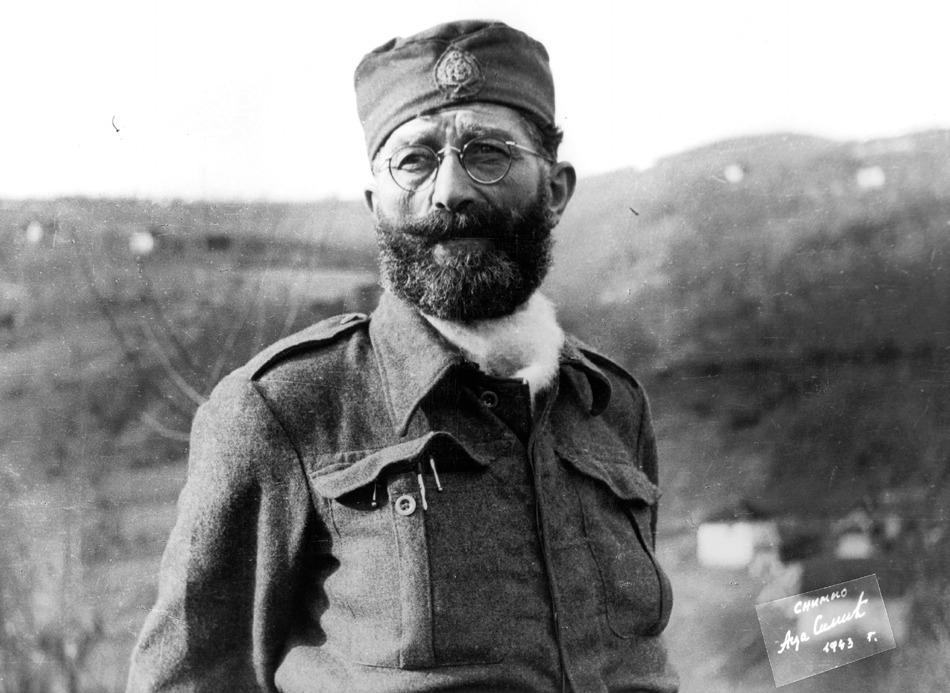
General Mihailovic, 1943.


By Aleksandra Rebic
July 2008

On July 17, 1946, sixty-two years ago, the life of General Draza Mihailovich came to an end. Why should we care? Why did his life and death matter?
He was a military officer who lived at a time in history when his dedication to democratic ideals would bring him into conflict with the fascists, the Nazis and, in the end, the communists. It would be the communists who would finally silence him, but not before he and his people fought valiantly to prevent his country, Yugoslavia, from falling into communist hands after the war. It would be too easy to blame the dictatorships, however, for the tragic stories of World War Two. Unfortunately, some of the great democracies of our time are culpable not only in helping to catapult three terrorists to the top in their respective countries – Hitler in Germany, Mussolini in Italy, and Tito in Yugoslavia – but in undermining and sacrificing those who fought against them.
Huge mistakes were made before the war ever began. The dictators could never have prevailed to the extent that they did on their own. This is one of the uncomfortable realities that makes the study of history unsettling. Accountability always withstands the test of time, and hindsight, when honest, will reveal more than we were ever willing to acknowledge at the time.

The failure of France to counter Hitler’s advances in the 1930’s when her military strength would have easily enabled her to do so was one huge mistake. How the British Establishment mishandled the events of the inter-war years was an even more crucial mistake. As a result of the mishandling of crucial moments and events during that period of peace in the 1920s and 1930s, the democracies would embolden the monsters of history and it would be the democracies, the Allies, who would feed General Mihailovich to them. He would inherit the dishonorable mistakes made by the democratic Allies, though he would remain loyal to the Allies to the end. That was the kind of ally he was. That was the kind of man that he was.
If we look hard enough, the study of history itself may provide a satisfactory explanation of how certain things happened and why and who was responsible. Or, it may not. An individual must be careful and skeptical when he looks to “written” history for answers. One of history’s most prolific recorders was Winston Churchill, who is considered one of her greatest protagonists. Not only was he directly involved in shaping and making history he was intent on documenting it. Many historians would look to his published works for their research and continue do so, considering Churchill a credible and primary source of information. After all, he was there. He was a witness and an active participant. Through the years, he would write with impunity. However, any reader of his version of history would be well served to be aware of Churchill’s own caveat:

“Give me the facts and I will twist them the way I want, to suit my argument.”

Minding this caveat would be especially important in searching for answers to questions about the history of the Balkans during the Second World War.

Winston Churchill and Great Britain are almost always described as being relentless and noble opponents of Adolf Hitler and Nazi Germany. To this day Churchill’s speeches continue to serve as inspiration to those who seek to express what it means to take a noble stand against tyranny. What is less widely known is the extent to which he favored a strong Germany before Germany’s strength would threaten all of Europe and beyond. After General Ludendorff, Germany’s military leader during WWI, returned from exile in 1920 he requested to meet with Winston Churchill. On that occasion Churchill wrote to a friend:

“In my view the objective we should pursue…is the building up of a strong and peaceful Germany which will not attack our French allies, but will at the same time serve as a moral bulwark against the Bolshevism of Russia.”

This would become the tone of British foreign policy during the critical decades of the 1920s and 1930s. Churchill’s suggested “objective” would lead first to appeasement and then to a war for which the British were as responsible as the Germans were, not because they wanted it or started it, but because the British did not prevent it when they could have. Hitler did not rise up out of the ashes of the First World War overnight. His ascendance was gradual and methodical. He would watch and wait for reaction from the great democracies to every move he made, and the lack of reaction would puzzle him as much as it amused him. He knew well where Germany’s vulnerabilities were. He also came to know where the democracies were vulnerable, and they would prove over and over again that the growing dictators of Europe could pursue their goals with impunity. It would be beyond the scope of this work to show step by step how and why Hitler was able to take Europe to an abyss. Suffice to say, the British and French together had many opportunities to stop Mussolini and Hitler. Some Germans made far greater sacrifices in an effort to stop Hitler’s ascension than did the British or French leaders during the 1920s or 1930s. These Germans could have succeeded had they had the support they deserved.

For the British, the key theme of “Germany as the moral bulwark against the Bolshevism of Russia” was the primary foundation of their foreign policy and remained so until the war started. Hitler would exploit this theme to his fullest advantage. While, at the beginning, supporting Germany as a bulwark against the so-called “barbarians from the East” was a factor in Britain’s goal to maintain the balance of power in Europe in her favor, it eventually became the core of the appeasement of Hitler. Though it was Britain’s leader Neville Chamberlain who became the personification of appeasement, another dictator would become the benefactor of Britain’s compulsion to appease. This time, ironically, it would be a “barbarian from the East”, the leader of Soviet Bolshevism, Stalin, and the appeaser would be Chamberlain’s successor, Winston Churchill, the man who had once feared Bolshevism’s encroachment to the point of being willing to support the devil to prevent it. Yet another benefactor of Churchill’s appeasement policy would be Marshal Tito, leader of the partisans in Yugoslavia, another communist. So much for moral bulwarks against communism. The communist benefactors of British appeasement would continue where Hitler left off. Millions of lives were lost as a result of the consequences of appeasement, among them that of General Draza Mihailovich who was used, abandoned, betrayed and ultimately sacrificed by the democracies, the Allies, for the ends to be served.

It seems that no conflict has been so much written about as the Second World War, and yet probably no other corps of writing has done more to distort popular conception of what actually happened. Importance is sometimes assigned to relatively insignificant things, while truly significant events are either diminished or ignored. Too often, the leadership, especially if it was popularly revered, was not held accountable to the degree that it should have been. The main concern of any true democratic leader of that time should have been first how to stop the impending war from happening, and if all efforts to that end failed, to at least have done whatever possible to prevent it from escalating and to minimize the cost in human lives. General Mihailovich was a great protagonist of such efforts. He would remain so for the duration of WWII, while other “democratic” leaders and officers were not so concerned about human cost. The horrors reflected in the deaths of over fifty million people during WWII indicate that the regard for human life was not the number one priority for many of the military or civilian leaders. The fact that civilian deaths accounted for at least 50 percent or more of the total death toll of the war is testimony to the fact that human barbarism, even in the “civilized” 20th Century, knew no bounds. That is why each significant episode in the progression of history must be evaluated and judged by, amongst other things, the cost in human lives and how many people could have been saved had their leaders made different choices and taken different actions. Regardless of the benefit of hindsight after the fact, there is foresight also. Not only was foresight lacking in the 1920s and 1930s, it was ignored for the sake of political expediency. Hitler could have been stopped before September 1, 1939 and even afterwards. And he knew it.
If one wanted to study and establish a sound theory as to how to prevent another catastrophy such as World War Two, it would be more important to study the pre-war events that led up to it rather than to study the war itself. Hitler became a successful “protagonist of war” because the “protagonists of peace” bungled their steps one after another, supposedly all in the attempt to prevent another war.

When Winston Churchill wrote that Germany should be propped up as a moral bulwark against Russia’s Bolshevism, it was just two years after the First World War ended and just a year after the Versailles Peace Treaty that was to guarantee that Germany couldn’t start another war was signed. This historic treaty, the document that was to ensure that there would never be another scourge on humanity such as the First World War, would, piece by piece, be undermined by the very democracies that had drafted it with such noble intent. Although the conditions imposed by the treaty were, and remain, controversial, Nazi Germany would proceed to prove to the world that treaties meant nothing, punishments were meaningless, and that consequences were of no consequence. She would do this because the great European democracies would sabotage the intended noble legacy of Versailles.
Why were there no pre-emptive actions against Hitler and his plans by England and France, when England and France could have crushed him? France, to her credit, considered standing up to Hitler in the 1930s while he was still in his dictatorial infancy, however, though her economy and her military was mighty at the time, her fortitude was not. She would defer to Great Britain on matters of defense and offense and this would be to her great misfortune. The Rhineland episode of 1936 was just a portent of things to come in 1940 for France. She deferred to Great Britain when she shouldn’t have and it would cost her dearly.

As the two great democratic powers of Europe in the 1920s and 1930s, France and England failed. They failed to preserve the heritage and legacy of peace for which millions of good men had died during World War One. They had the means. Hitler knew this, and no one was probably more bewildered and amused than he that these means were not used against him as he tested the waters of Europe.

Draza Mihailovich of Serbia had the foresight to see what was coming. He understood that appeasement only lead to disaster for the appeasers and victory for the appeased. His would be a dishonorable inheritance of the mistakes made by the very Allies to whom he would pledge his undying loyalty.

He was not the only one who had foresight. Unlike others, he would survive to be an active participant in the preventable war that would eventually become inevitable due to grave human error in judgment. Unlike those that would eventually come to betray him, he would not survive the peace that would follow the war.
One of the smart men of Europe who was trying to organize a front against Hitler early enough when it was still possible was French foreign minister Louis Barthou in the early 1930s. His foreign policy was to create an anti-Hitler defense ring, to be achieved by what was known as the Eastern Pact, binding the Soviet Union, Poland, and the Little Entente (Czechoslovakia, Yugoslavia and Romania) to France.

But while he was trying to organize a defense against German territorial expansions three months after he became foreign minister, the British were going in the opposite direction. In May of 1934 the British minister of foreign affairs, Sir John Simon, insisted that Germany should be permitted to rearm even though re-armament was expressly forbidden by the Versailles Peace Treaty. This was just one of the “allowances” the British were willing to extend to the Germans during the critical decade of the 1930s.
Barthou went to Belgrade, Serbia at the end of June 1934 for successful introductory talks regarding a Franco-Yugoslav alliance, and it was agreed that King Alexander would pay a two week state visit to France starting on October 9th to lay the groundwork for an anti-Hitler alliance. French support against the terrorist activities of the Croatian separatists and their sponsor, the fascist dictator of Italy Mussolini, was also going to be negotiated. But as soon as Alexander’s planned visit to France was announced, Mussolini began working with his own Italian Military Intelligence Service and the Croat and Macedonian terrorists to plan King Alexander’s assassination. The plan for the assassination was finalized by Vancha Mihailov, the leader of Macedonian terrorists and Ante Pavelic, the leader of the Croatian terrorists.
On October 9, 1934 the terrorists made their move and succeeded. King Alexander of Yugoslavia and Jean Louis Barthou were assassinated in Marseilles, France. This assassination, though it was never given the attention or assigned the significance that Gavrilo Princip’s assassination of Archduke Franz Ferdinand in 1914 was, turned out to be pivotal. Alexander’s death in 1934 was a direct precursor to the events of 1939. With the Franco-Yugoslav bond now weakened with his and Barthou’s deaths, Germany would tighten her economic hold in the Balkans. This would further augment Hitler’s growing confidence, and the Balkans would provide more resources for Nazi Germany. It is said that Hitler watched the film that was taken of the assassination that day and upon observing the panic of the crowd and the inability of the police to deal with it effectively, he was reassured that France was weak and that she could be beaten. Whether he watched the film or not, there is no question that he grew more confident. Every subsequent action he would take in the following years would reflect a hubris that only grew with the parallel incompetence of the democracies to stop it from manifesting.
Without having to worry about Britain or France or Italy, Hitler was able to proceed with enhancing his war machine. Seeing an opportunity to side up with an obvious future victor, Mussolini distanced himself carefully from England and France to eventually join Hitler. When the free world woke up to the reality of what was evolving it was too late to change the course of the future of Europe. The greatest war machine ever built up to that time was poised to march and conquer the world.
When Hitler marched his troops into Yugoslavia in 1941 after already conquering 17 countries, Draza Mihailovich and his Serbs began a historic resistance opposing the Nazis and their collaborators. The British, though lauding his uprising and celebrating him as a hero against tyranny at the beginning and promising him support, soon began pursuing their new policy of appeasing Stalin, the leader of the Soviet Bolshevism that they had supposedly so dreaded just years before. As a result, the course of history in Yugoslavia changed drastically. Soon, Mihailovich was fighting not only the occupying Nazis, but he was forced to fight the internal enemy as well, the Yugoslav communists, who were now being sponsored by the British as well as by the Soviets. It was not the Soviets or the Nazis from whom he had the most to fear, however. It would be his betrayal by the British, the Allies to whom he remained loyal and dedicated, that would seal his fate.

It is in the progression of appeasements, miscalculations, and ultimate betrayals by the great democratic leadership of Europe where the foundation of the death of General Draza Mihailovich on July 17, 1946 lies. Why is that important? Because his life counted at a time when democratic Europe was abysmally short of heroic men with foresight who understood the true nature of the enemy and her intentions, and he was a man who fought nobly, despite tremendous odds, for the very same democratic ideals that the democracies were so willing to sacrifice for expediency.

He has been dead for sixty-two years but remains an inspiration for millions of people, not just the Serbs. General Draza Mihailovich was an honorable and principled man who had a great vision for his homeland of Serbia and for Yugoslavia as a democratic country that embodied the great democratic ideals that had fostered great men and nations on the world stage. His vision would die with him.

Evil men ended his life on earth in a brutal way. They hid his grave, knowing full well that if its location were to become known, it would become a shrine where tens of thousands would come every year to reflect on what great men are capable of and why the ideals they fought for must be carried on by future generations. They would come also to reflect on what might have been had the man to whom they were paying their respects been allowed to live out the normal length of his life.

These evil men took not only Draza’s life, but they compromised the greatness Serbia had achieved during the First World War, when she was respected by all. They and their minions wrote book after book falsifying history in order to justify their acts. That is why we must be very discerning when we turn to “history” for answers as to why it all happened the way that it did and what it means for the future.
Sometimes history is most truthfully represented in words of tribute. Mihailovich has been eulogized over the years by great people the world over. Though they mourn his death, they honor his life and his rightful place in history. And their words serve as a reminder of what true greatness and honorable leadership is. Dame Rebecca West, the great literary writer and historian, understood these ideals well. She addressed them in a tribute given in honor of General Mihailovich in July of 1966, but her words echo today in 2008 just as they did all those years ago:

“Twenty years after the death of Draza Mihailovic he is undimmed in his glory as a defender of liberty against the fascist terror, who defended it also against the communist terror. He had no moment of weakness, or of bitterness. I know of no instance where he reproached those who were guilty of his betrayal.

Twenty years ago I knew he was innocent of all charges against him, and since then I have had many further proofs of his innocence. His abandonment was a crime, and like all crimes it brought no real profit to the criminals.

I loved your nation of Serbia before the war. I have loved and honoured it more and more as the years have gone by and I have seen that the hero whom you gave to history has not his like in our time. “

Will we ever have another like him? Do we deserve another like him? And if we should receive another like the good General, will we be smart enough to appreciate the gift?
Aleksandra Rebic
July 2008